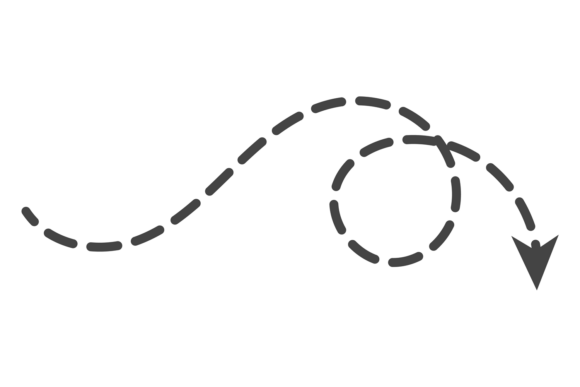
The Visual Language of Motion: Rotating Arrow Line. Turning Motion Dood
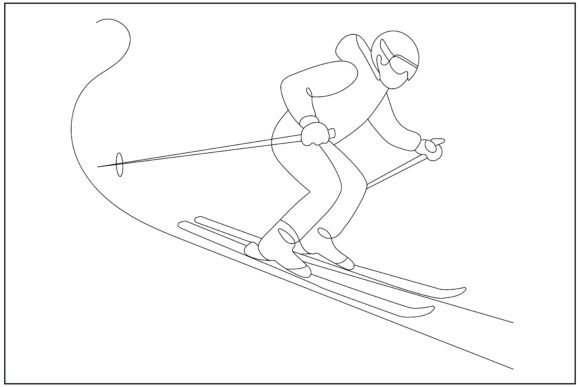
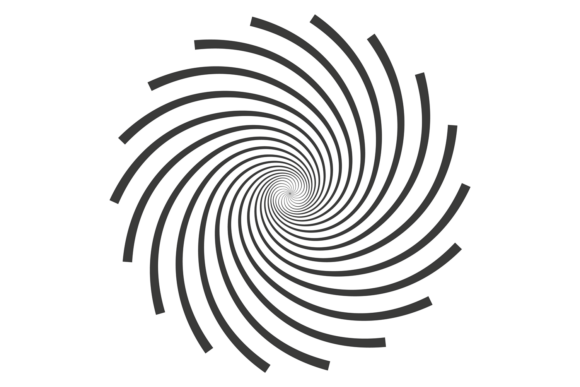
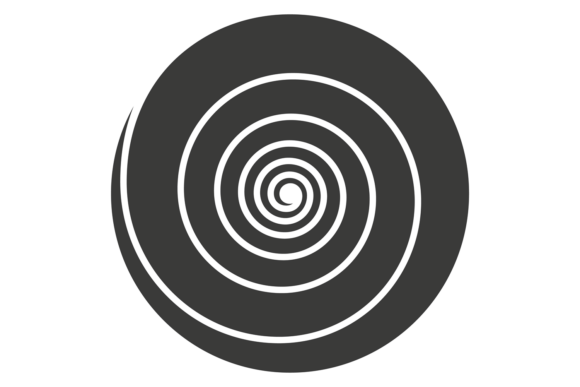
In the crowded landscape of digital assets, finding a design element that conveys both energy and clarity can be a challenge. We often look for static images to tell dynamic stories, but the Rotating Arrow Line. Turning Motion Dood collection bridges that gap with remarkable elegance. This isn't just a collection of scribbles; it is a curated set of vector graphics designed to inject kinetic energy into any project. By utilizing the Rotating Arrow Line. Turning Motion Dood set, creators gain access to a specific visual language—one that speaks of direction, progress, and continuous flow.
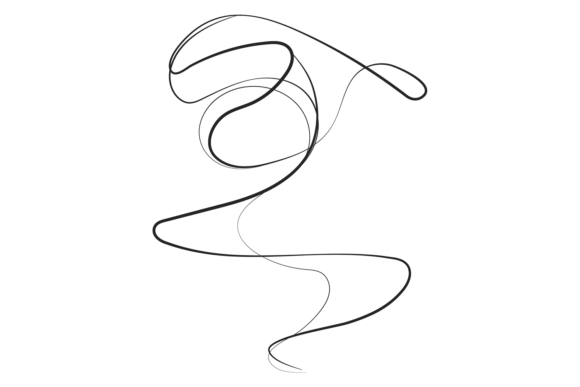
The core appeal of these assets lies in their "doodle" aesthetic combined with a sophisticated sense of movement. Unlike rigid, corporate clipart, the hand-drawn style of the Rotating Arrow Line. Turning Motion Dood elements feels organic and approachable. The lines are never perfectly straight, and the turns are fluid, mimicking the natural motion of a hand sketching on paper. This imperfection is intentional; it humanizes the digital experience. Whether you are working with the vector EPS files for large-scale print or the transparent PNG for quick web overlays, the visual personality remains consistent—playful yet purposeful.
Decoding the Aesthetic: Why "Turning Motion" Matters
Visual hierarchy is about guiding the viewer’s eye. In design, arrows are the universal symbol for direction, but a static arrow often gets ignored. The Rotating Arrow Line. Turning Motion Dood changes the game by introducing the concept of rotation. This suggests a cycle, a process, or a return on investment. For a brand identity, using these elements implies that a business is dynamic and evolving. It tells the audience that things are happening, that processes are working, and that there is a forward-thinking mindset at play.
Consider the texture of the line work. The "arrow line" aspect provides the necessary sharpness to be legible, while the "doodle" aspect softens the blow. This makes the Rotating Arrow Line. Turning Motion Dood collection incredibly versatile. It fits seamlessly into modern typography layouts where designers are mixing structured sans serif font families with more expressive, organic shapes. It acts as a bridge between the rigid text blocks and the imagery, creating a cohesive visual flow that feels intentional rather than cluttered.
Strategic Applications: From Branding to Editorial Design
Understanding where to deploy these assets is key to maximizing their impact. The versatility of the Rotating Arrow Line. Turning Motion Dood collection makes it a powerhouse for various sectors. It is not merely decoration; it is functional design infrastructure.
- Logo Design and Brand Identity: While a complex doodle might not work as a standalone logomark, it is an exceptional component of a broader visual system. Imagine a tech startup using the rotating arrow to illustrate their "iteration" process on their website. It adds a layer of personality that a standard premium font cannot achieve on its own.
- Packaging Design: In the consumer goods market, shelf appeal is everything. The hand-drawn nature of the Rotating Arrow Line. Turning Motion Dood elements can soften the look of a box or label, making a product feel artisanal or eco-friendly. It adds a tactile quality to the visual experience.
- Social Media Graphics: Algorithms favor engagement, and motion captures attention. Even though these are static files (available as JPG, SVG, etc.), the visual representation of rotation creates an optical illusion of movement. This can stop the scroll, increasing dwell time on a post. They are perfect for highlighting a "swipe up" action or pointing to a comment section.
- Editorial and Web Design: Long-form content can be daunting. Using these doodle elements as section breaks or marginalia helps to re-engage the reader. They serve as visual cues that guide the eye down the page, working in tandem with a readable serif font or script font to create a rhythmic reading experience.
Integrating the Assets: A Practical Guide for Creators
For designers, entrepreneurs, and hobbyists alike, the technical utility of the Rotating Arrow Line. Turning Motion Dood files is a significant advantage. The inclusion of SVG and EPS formats means these vectors are infinitely scalable. You can place them on a business card or blow them up for a trade show banner without losing an ounce of quality. This scalability is crucial for maintaining professionalism across different media.
However, the true skill lies in integration. When pairing these elements with typography, contrast is your best friend. If you are using a bold, geometric sans serif font, the organic lines of the doodle will stand out beautifully. Conversely, pairing them with a flowing handwritten font can create a cohesive, "notebook" style aesthetic suitable for lifestyle blogs or personal branding. The goal is to ensure that the Rotating Arrow Line. Turning Motion Dood elements support the message rather than compete with it.
Evaluating Fit and Licensing
Before incorporating any design assets into a commercial project, due diligence is required. While the Rotating Arrow Line. Turning Motion Dood collection is designed for broad use, always verify the specific licensing terms. Are you using it for a client’s logo design? Does the license cover merchandise? For small business owners, ensuring that your assets are cleared for commercial use protects you from legal headaches down the road.
Furthermore, consider the "weight" of the lines. In web design, a line that is too thin might disappear on mobile screens. The transparent PNG versions are excellent for quick mockups, but for final production, utilizing the vector formats allows you to adjust stroke weights to match your specific font pairing requirements. This level of customization ensures that the Rotating Arrow Line. Turning Motion Dood elements look bespoke, not like stock art.
Enhancing Audience Engagement
Ultimately, design is about communication. The psychological impact of seeing a "turning" motion suggests adaptability and resilience. For content creators and marketers, using the Rotating Arrow Line. Turning Motion Dood graphics can subtly influence how an audience perceives a call to action. It feels less like a command and more like an invitation to join a flow. It transforms a static "Buy Now" button into a dynamic journey.
In the realm of creative font usage and graphic design, the details make the difference. The Rotating Arrow Line. Turning Motion Dood collection is more than just a set of files; it is a toolkit for visual storytelling. By leveraging the organic energy of these lines, you can create designs that not only look good but feel alive, resonating with an audience that craves authenticity and motion in a digital world.