Dynamic Motion Pattern: The Round Abstract Display Font
Understanding the Visual Language of Dynamic Motion Pattern. Round Abstract I
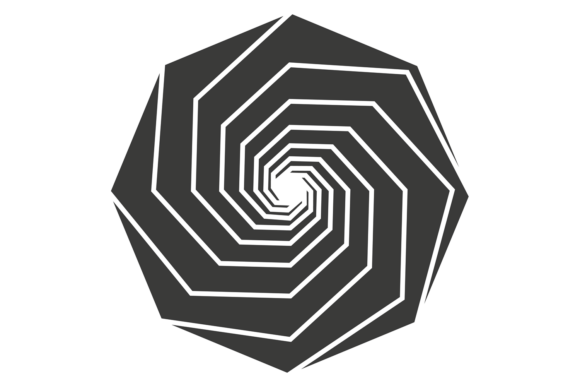
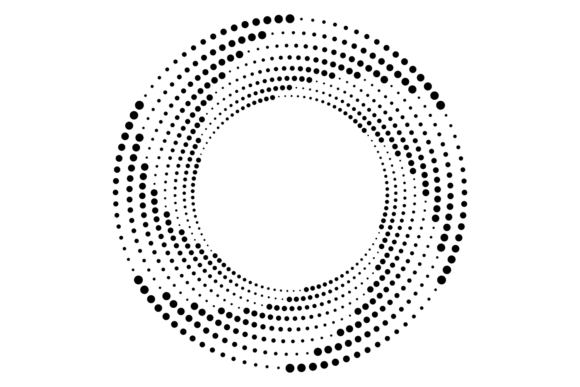
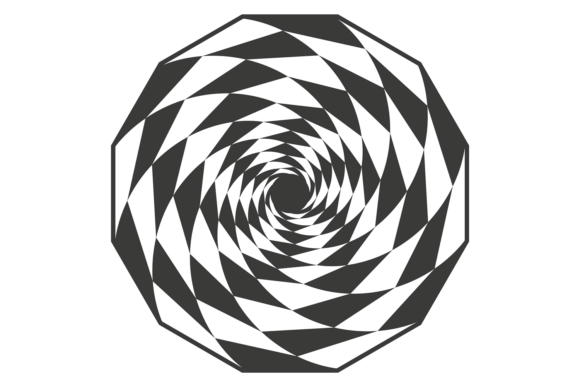
When you first encounter Dynamic Motion Pattern. Round Abstract I, you immediately feel its energy. This isn't just another display font sitting quietly on a page—it has personality. The design features flowing, circular forms that create a sense of movement even in static compositions. Each character carries a rhythmic quality, with curves and loops that feel both organic and intentional. The abstract nature of the letterforms gives it a contemporary edge, making it stand apart from traditional serif font or sans serif font options.
The visual characteristics of this typeface lean heavily into rounded geometry. You'll notice soft edges, consistent stroke widths, and a harmonious balance between negative space and letter mass. It doesn't fight for attention through sharp angles or aggressive styling. Instead, it draws the eye through fluid motion and an almost hypnotic circular pattern. This makes Dynamic Motion Pattern. Round Abstract I particularly effective when you want to convey creativity, innovation, or a forward-thinking brand identity.
What makes this font genuinely interesting is its versatility within the display category. While many premium font options in this space feel locked into a single mood, Dynamic Motion Pattern manages to feel playful yet sophisticated. It works beautifully for projects that need visual impact without sacrificing readability at larger scales. Think of it as a creative font that bridges the gap between artistic expression and practical application.
Where Dynamic Motion Pattern. Round Abstract I Truly Shines
Finding the right application for a font like this matters just as much as appreciating its design. Dynamic Motion Pattern. Round Abstract I works exceptionally well in logo design, especially for brands that want to communicate motion, creativity, or modernity. Tech startups, fitness brands, creative agencies, and entertainment companies could all leverage this typeface to establish a distinctive visual presence. The rounded, flowing forms translate naturally into memorable wordmarks and brand marks.
In editorial design and publishing, this font serves a specific but valuable role. It's not meant for body copy or lengthy paragraphs—that's where a reliable serif font or sans serif font takes over. However, for chapter headings, pull quotes, feature titles, and magazine covers, Dynamic Motion Pattern brings visual drama. Bloggers and content creators can use it for hero graphics, Pinterest pins, and YouTube thumbnails where bold typography needs to grab attention in crowded feeds.
Packaging design presents another strong opportunity. Products targeting younger demographics or creative markets benefit from typefaces that feel fresh and distinctive. Whether you're designing labels for artisan goods, cosmetics, or specialty food products, this font adds character without overwhelming supporting design elements. The abstract quality gives packaging an artistic sensibility that photographs well for social media graphics and e-commerce listings.
Digital applications extend further than you might initially consider. Web designers can use Dynamic Motion Pattern. Round Abstract I for landing page headers, hero sections, and call-to-action banners where impact matters most. Social media managers will find it valuable for Instagram stories, Facebook ads, and promotional graphics that need to stop the scroll. The key is recognizing that this is a display font meant for headlines and focal points, not extended reading.
Practical Guidance for Working with This Typeface
Choosing any design asset requires honest evaluation of fit. Before committing to Dynamic Motion Pattern. Round Abstract I for a project, ask yourself whether the brand or content genuinely benefits from a bold, abstract display font. A law firm or medical practice probably won't align with its personality. A music festival, design studio, or lifestyle brand likely will. Context determines whether even the best creative font delivers results or creates confusion.
Font pairing deserves careful attention with display typefaces like this one. Because Dynamic Motion Pattern carries so much visual weight and personality, pair it with something restrained for body text. A clean sans serif font like a geometric or humanist option creates pleasing contrast without competing for attention. Avoid pairing it with other decorative or script font choices—that combination typically overwhelms readers and weakens visual hierarchy. The goal is balance, where the display font leads and supporting typography quietly does its job.
Test readability at the actual sizes you'll use. Display fonts often look spectacular at large scales but lose clarity when reduced. Check how Dynamic Motion Pattern. Round Abstract I renders across different devices, screen resolutions, and print formats. Pay particular attention to letter spacing, as condensed or tightly spaced display fonts sometimes need tracking adjustments for optimal legibility.
Review what's included with your license carefully. Quality premium font packages typically offer multiple weights, stylistic alternates, and extended character sets supporting various languages. Confirm that the commercial license covers your intended use—whether that's client work, merchandise, digital products, or embedded web fonts. Understanding these details upfront prevents headaches later and ensures you're getting full value from your typography investment.
Finally, don't overlook the broader brand identity implications. A typeface becomes part of how audiences recognize and remember you. Dynamic Motion Pattern. Round Abstract I communicates specific qualities—energy, creativity, modernity—through its visual design. Make sure those qualities genuinely reflect the brand or project you're building. When font personality and brand personality align, typography becomes a powerful tool for recognition, consistency, and lasting audience engagement. That alignment is where thoughtful font selection transforms from a design decision into a strategic advantage.