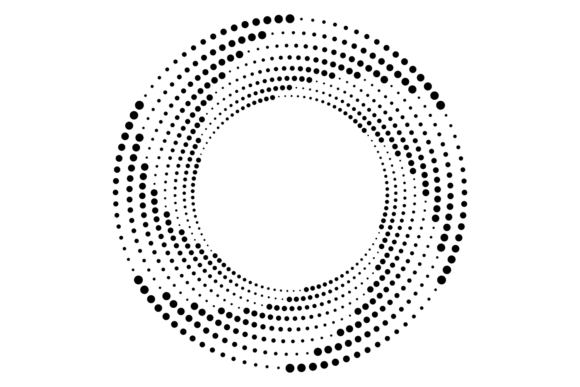
Dynamic Gradient Motion: The Round Dot Frame Effect
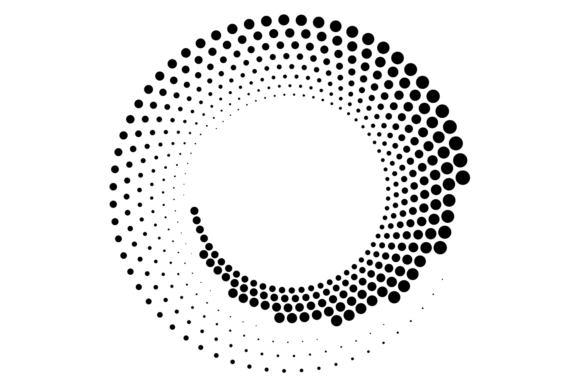
There is a specific kind of visual energy that captures attention immediately—something that feels alive, rhythmic, and distinctly modern. This is the core appeal of the Round Dot Frame. Dynamic Gradient Motion design asset. It isn’t just a static border or a simple decoration; it is a sophisticated visual tool that combines geometric structure with fluid color theory. Imagine a circular arrangement of dots that seem to shift and breathe, anchored by a gradient that flows from one hue to another. This effect, often found as an EPS, JPG, SVG, or transparent PNG, offers a unique blend of precision and organic movement.
For designers, marketers, and content creators, the challenge is often finding assets that feel premium without being overly rigid. The Round Dot Frame solves this by using the "dot" as its fundamental building block. Dots are universally understood, friendly, and non-threatening, yet when arranged in a frame with dynamic gradient motion, they take on a high-tech, energetic persona. It suggests innovation, connectivity, and forward-thinking design. This asset is particularly useful when you need to inject life into a layout that might otherwise feel flat or corporate. Whether you are designing a podcast cover, a webinar slide deck, or packaging for a new tech product, this element provides a visual anchor that is both professional and captivating.
Visual Characteristics and Stylistic Appeal
Understanding the anatomy of the Round Dot Frame. Dynamic Gradient Motion helps in utilizing it effectively. The "Round Dot" aspect refers to the geometry. Unlike sharp, angular frames that can feel aggressive or overly formal, circular dots possess a softness. They are approachable. When these dots are arranged in a frame, they create a boundary that guides the viewer's eye inward, focusing attention on the central content—be it a logo, text, or an image.
The "Dynamic Gradient Motion" is where the magic happens. Gradients have been a staple of modern typography and graphic design for years, but static gradients can sometimes feel dated. The motion aspect implies a shift in color values—perhaps moving from a deep violet to a vibrant cyan, or a sunset orange to a soft pink. This creates a sense of depth and 3D space. It mimics how light behaves in the real world, adding a layer of realism to digital design. The personality of this asset is best described as futuristic yet accessible. It fits perfectly within the aesthetic of SaaS companies, fitness brands, music festivals, and creative agencies. It avoids the coldness of minimalism while steering clear of the clutter of maximalism.
Because it is available in transparent PNG formats, it is incredibly versatile for layering. You can place it over photography to create a "portal" effect, or use it as a background element in social media graphics where you need to separate the text from a busy background. The vector formats (EPS and SVG) ensure that whether you are scaling it for a massive billboard or shrinking it for a favicon, the dots remain crisp and the gradient remains smooth.
Strategic Applications: Where Motion Meets Branding
Knowing what an asset looks like is one thing; knowing how to deploy it for maximum impact is another. The Round Dot Frame. Dynamic Gradient Motion is not just a decorative flourish; it is a strategic design asset that can influence brand perception and audience engagement.
Digital Presence and Web Design
In web design, user attention is a scarce commodity. Using this frame around a "Call to Action" (CTA) button or a featured product can significantly increase click-through rates. The gradient motion naturally draws the human eye, which is evolutionarily programmed to notice movement and color changes. For a small business owner building an e-commerce site, incorporating this frame around a "Buy Now" or "Subscribe" section adds a layer of professionalism that static boxes cannot match. It signals that the brand is current and invested in high-quality user experience.
Social Media and Content Creation
For bloggers and content creators, consistency is key to building a recognizable brand identity. However, repetition can lead to audience fatigue. The Round Dot Frame offers a solution. You can use the frame as a consistent "stamping" on your Instagram Stories or TikTok overlays. Because the gradient is dynamic, it adds visual variety every time it appears, even if the shape remains the same. It works exceptionally well for "Swipe Up" links or highlighting user-generated content. It provides a cohesive look that ties disparate posts together, reinforcing brand identity without being repetitive.
Editorial and Packaging Design
In editorial design, such as magazine covers or e-book layouts, the frame can serve as a sophisticated spotlight. Imagine a feature article about "The Future of Tech"—placing the author's headshot or the subject matter inside this frame instantly elevates the topic. Similarly, in packaging design, especially for cosmetics, supplements, or electronics, the dot pattern suggests precision and scientific formulation. It appeals to a demographic that values both aesthetics and data. The transparent PNG option is particularly useful here for mocking up designs on different colored boxes without worrying about white backgrounds clashing.
Practical Guidance for Implementation
Adopting new assets into your workflow requires a bit of strategy. Here is how to approach the Round Dot Frame. Dynamic Gradient Motion to ensure it enhances rather than overwhelms your projects.
Evaluating Project Fit and Font Pairing
This asset has a distinct personality. It is modern, energetic, and somewhat "tech-forward." Therefore, pairing it with a traditional, ornate serif font might create a visual dissonance unless you are going for a very specific "retro-future" vibe. Instead, consider pairing it with a clean sans serif font or a geometric display font. The roundness of the dots in the frame echoes well with fonts that have rounded terminals (the ends of the strokes). If you are using a script font or handwritten font for a personal touch, ensure the frame is used sparingly so the casual nature of the handwriting isn't overshadowed by the high-energy motion of the frame.
Readability and Hierarchy
The primary function of a frame is to highlight content. If you place text inside the Round Dot Frame, ensure there is sufficient contrast. Since the frame involves a dynamic gradient, the background inside the frame should be relatively neutral (white, black, or a solid brand color) to maintain readability. Do not place busy patterns inside the frame. Use the frame to create visual hierarchy—the most important information goes inside the circle; secondary information stays outside.
Licensing and Formats
When sourcing this asset, verify the commercial font and asset licensing. If you are a designer creating a logo for a client, you need to ensure the license allows for commercial use and modification. Since this asset comes in EPS and SVG, it is ideal for logo work because it allows you to edit the individual dots or change the gradient colors to match the client's specific palette. Always keep the master vector file safe; export to JPG or PNG only for final delivery or web use.
Customization Tips
Don't feel locked into the default colors. If you have access to the vector source, experiment with the gradient direction. A radial gradient creates a glowing, spotlight effect. A linear gradient creates a sense of directionality—useful for implying progress or movement in an infographic. You can also adjust the opacity of the dots. Lowering the opacity creates a subtle texture, perfect for background use in web design, while keeping it high-impact works best for hero images and logo design elements.
Ultimately, the Round Dot Frame. Dynamic Gradient Motion is more than just a circle of dots. It is a versatile tool for marketers, entrepreneurs, and creatives who want to communicate innovation and energy. By understanding its visual weight and pairing it correctly with typography and layout, you can transform a standard design into a memorable visual experience. It bridges the gap between static design and the kinetic nature of the digital world, making it an essential addition to any modern designer's toolkit. Whether you are refining a brand identity, sprucing up social media graphics, or designing packaging, this asset provides the motion and modernity needed to stand out.